
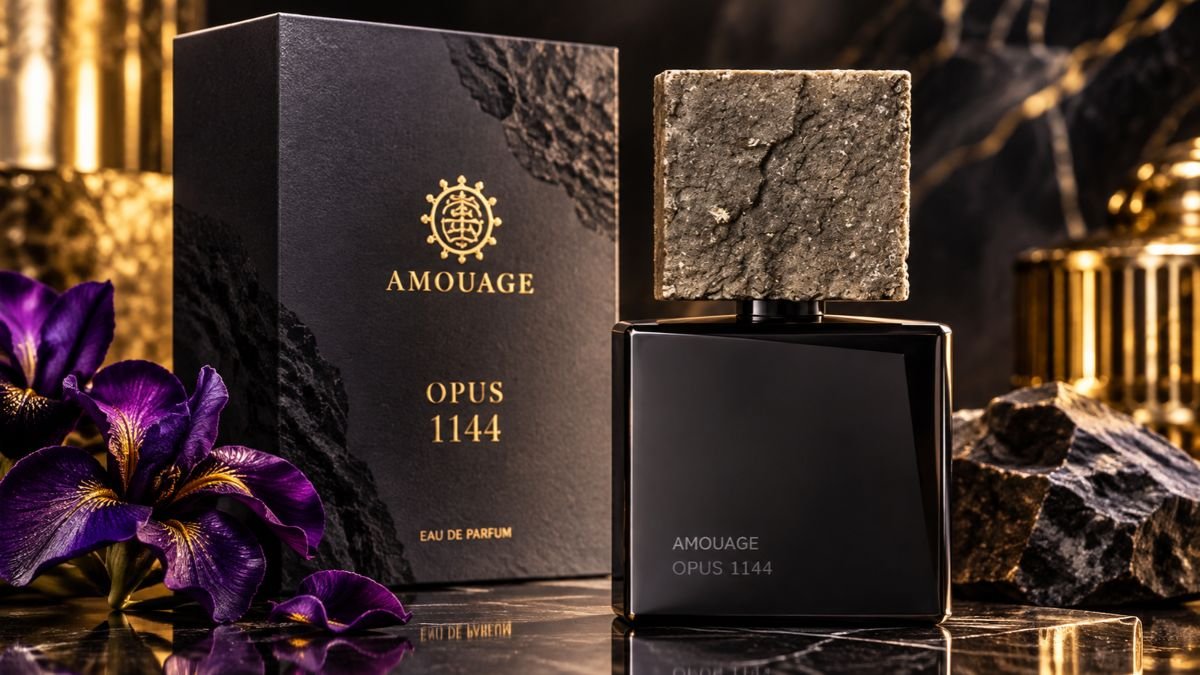
Opus 1144 is a distinctive fragrance by Italian perfumer Filippo Sorcinelli, created for people who appreciate artistic and unconventional perfumes. Inspired by Gothic architecture and the historic Basilica of Saint-Denis in France, this fragrance presents an interesting connection between history, architecture, and perfumery. Its composition brings together citrus, aromatic resin, powdery florals, warm woods, vanilla, musk, and leather. Instead of following a simple fresh or sweet fragrance style, Opus 1144 offers a layered scent profile with several contrasting elements.
What makes Opus 1144 particularly interesting is its concept and the way its fragrance materials work together. The brighter opening creates a contrast with the softer floral heart and the warm, leathery base. This combination gives the perfume a recognizable character within niche perfumery. In this review, we will explore its background, fragrance notes, scent profile, fragrance category, longevity, sillage, suitable occasions, and the type of fragrance enthusiast who may enjoy it.
What Is Opus 1144?
Opus 1144 is a unisex extrait de parfum created by Filippo Sorcinelli and introduced in 2015 as part of the UNUM fragrance collection. It is inspired by Gothic architecture, particularly the Basilica of Saint-Denis near Paris.
The fragrance takes its name from the year 1144, which is historically associated with the completion of the choir of the Basilica of Saint-Denis. This building is an important landmark in the development of Gothic architecture.
Unlike many conventional fragrances that focus mainly on familiar scent combinations, Opus 1144 uses its historical inspiration as the foundation of its creative identity. Its composition combines citrus, florals, resinous materials, woods, musk, and leather to create a more complex fragrance experience.
The perfume is officially presented as an extrait de parfum. Its unisex positioning means it is intended for anyone who appreciates its particular scent character, without being restricted to a traditional masculine or feminine fragrance category.
Brand and Fragrance Background
Filippo Sorcinelli is an Italian artist, musician, and perfumer known for connecting fragrance with different forms of artistic expression. His creative work includes music, photography, religious vestments, and perfumery.
The UNUM collection reflects this artistic approach. Its fragrances are developed around concepts, emotions, and cultural references rather than simply following conventional perfume trends.
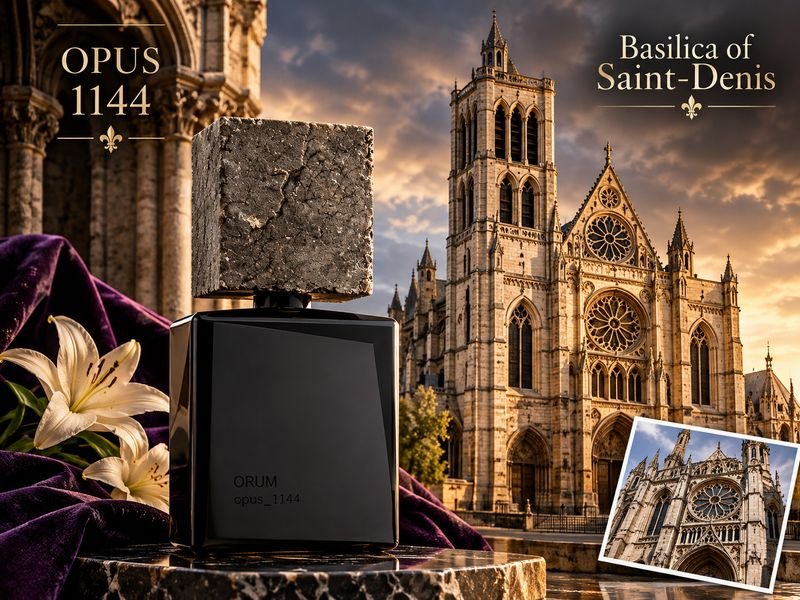
Opus 1144 represents the atmosphere and artistic identity of Gothic architecture. The inspiration comes from the Basilica of Saint-Denis, a historic building located near Paris. The year 1144 is significant because the completion of its choir is closely connected with the emergence of Gothic architectural style.
The fragrance attempts to translate the atmosphere of this architectural period into an olfactory composition. Instead of focusing only on the traditional smell of incense associated with religious buildings, its concept also considers materials such as wood, leather, stone, and the atmosphere of historic interiors.
This background gives Opus 1144 a different identity from many mainstream perfumes. Its name and composition are connected to a specific artistic idea, making it interesting for people who appreciate the creative side of niche perfumery.
Opus 1144 Fragrance Notes: Opening, Heart, and Base
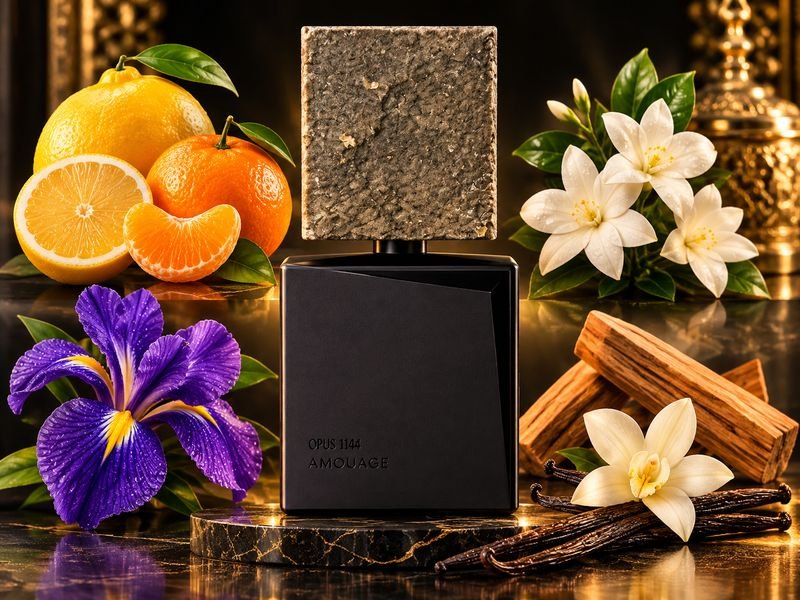
Understanding the fragrance notes is one of the most useful ways to explore Opus 1144. Its official description organizes the composition into three parts, creating a progression from bright citrus and aromatic materials to warmer woody, musky, and leathery elements.
Top Notes: A Bright and Aromatic Opening
The listed top notes include:
- Lemon
- Mandarin
- Jasmine
- Elemi
The opening combines citrus freshness with floral and resinous characteristics.
Lemon introduces a bright and sharp citrus quality, while mandarin contributes a softer and sweeter impression. These ingredients help create an opening that feels brighter than the warmer materials found later in the fragrance.
Elemi is an aromatic resin that contributes a distinctive balsamic and slightly fresh quality. It helps connect the citrus elements with the deeper character of the composition.
Jasmine adds a floral dimension to the opening. Its presence creates another layer and helps balance the brighter citrus notes.
Together, these ingredients introduce the fragrance through a combination of freshness, aromatic depth, and floral character.
Heart Notes: Powdery Florals and Soft Woods
The heart notes include:
- Iris
- Orchid
- Cashmerwood
- Benzoin
Iris is particularly important because it is commonly associated with powdery, elegant, and slightly earthy characteristics. In Opus 1144, it contributes to the softer side of the fragrance.
Orchid provides a floral element, while cashmerwood introduces a smooth woody character. These materials help connect the floral heart with the warmer base.
Benzoin adds a balsamic and sweet resinous quality. It also contributes to the transition between the softer middle and the deeper materials in the composition.
The heart is one of the most interesting parts of Opus 1144 because it brings together floral softness, powdery qualities, and warm woody elements.
Base Notes: Warm Woods, Musk, and Leather
The base notes include:
- White musk
- Vanilla
- Sandalwood
- Ambergris
- Leather
These ingredients form the deeper and warmer foundation of Opus 1144.
White musk contributes a soft musky quality, while vanilla introduces sweetness and warmth. Sandalwood adds a smooth woody character that complements the other base materials.
Ambergris is another important listed ingredient. In modern perfumery, ambergris-related materials and accords are associated with complex, warm, and sometimes musky characteristics. The exact material used in a fragrance should not be assumed without confirmation from the manufacturer.
Leather contributes a deeper and more distinctive dimension. Its presence helps separate Opus 1144 from fragrances that focus mainly on sweetness, citrus, or floral notes.
The combination of these materials creates a warm and layered foundation that supports the fragrance’s artistic concept.
Scent Profile and Overall Character
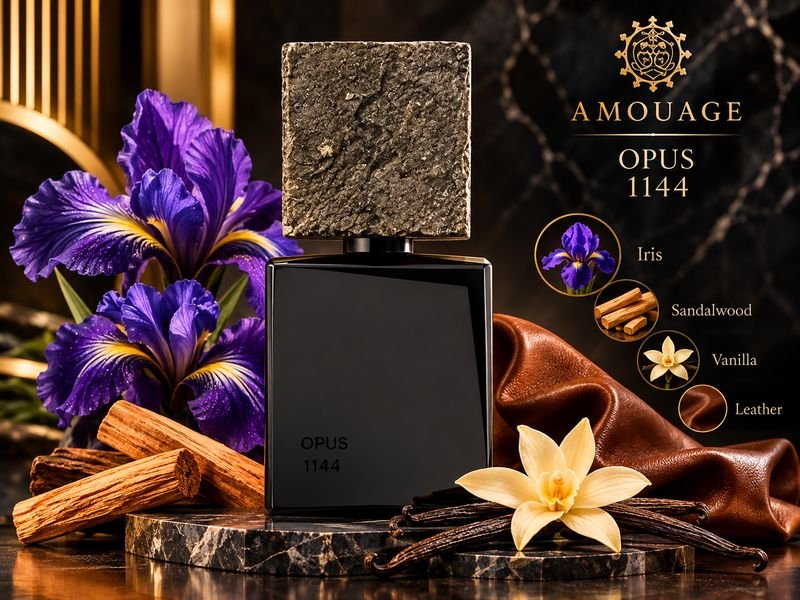
Opus 1144 has a complex scent profile that combines several different fragrance characteristics. Its main impression can be understood through its citrus, powdery, woody, resinous, and leathery elements.
Powdery Character
Iris contributes a recognizable powdery dimension. This quality can make the fragrance feel soft and elegant while adding contrast to the deeper ingredients.
Woody Character
Sandalwood and cashmerwood contribute smooth woody qualities. These materials help create depth and connect the different parts of the composition.
Warm and Sweet Character
Vanilla and benzoin provide warmth and sweetness. Their presence helps balance the citrus and floral materials without making the composition exclusively sweet.
Leathery Character
Leather gives the fragrance a distinctive personality. It adds depth and creates a contrast with the softer floral and powdery notes.
Aromatic and Resinous Character
Elemi and benzoin contribute aromatic and resinous qualities. These elements help connect the brighter opening with the warmer base.
Overall, Opus 1144 is not simply a citrus fragrance, a vanilla perfume, or a traditional leather scent. It combines these different directions into a more layered composition.
What Fragrance Category Does Opus 1144 Belong To?
Opus 1144 is commonly classified as an oriental spicy fragrance, although its broader character can also be described through woody, floral, and amber-related elements.
The classification makes sense when considering its combination of warm vanilla, benzoin, musk, sandalwood, and leather. At the same time, its citrus and floral ingredients provide additional brightness and softness.
The fragrance may appeal to people who enjoy:
- Warm and resinous perfumes.
- Powdery iris fragrances.
- Woody compositions.
- Leather-based scent profiles.
- Vanilla fragrances with additional depth.
- Artistic niche perfumes.
Its overall style is more complex than a straightforward fresh fragrance. People who prefer simple aquatic or light citrus scents may find its composition different from their usual preferences.
Opus 1144 Longevity and Sillage: What Should You Expect?
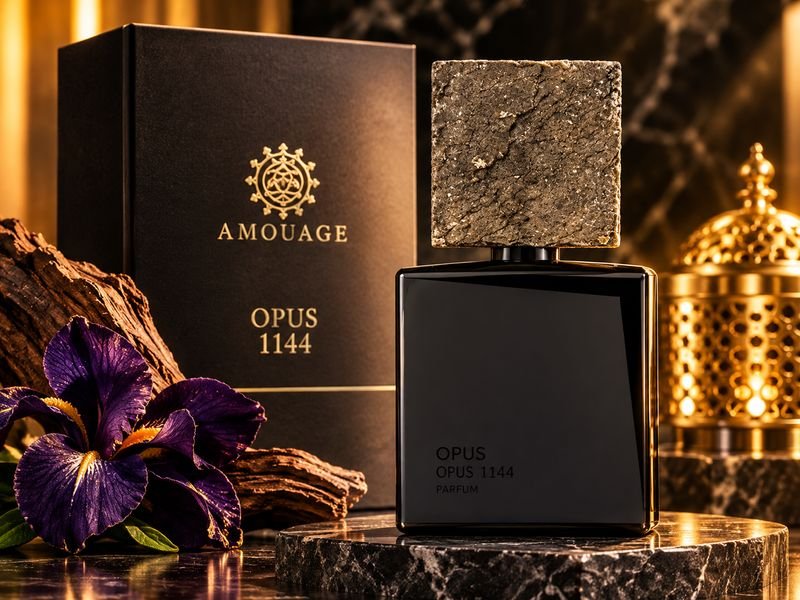
Longevity and sillage are important factors when evaluating any fragrance. Longevity refers to how long a perfume remains noticeable, while sillage describes the scent trail it creates as someone moves.
Community feedback can provide a general indication of fragrance performance, but individual results are not always identical.
Longevity
Opus 1144 has received positive community feedback for its longevity. On Parfumo, its reported average longevity score is 8.2 out of 10, based on community ratings.
This rating suggests that many fragrance enthusiasts consider its staying power above average. However, it should not be treated as a guarantee of a particular number of hours.
Skin chemistry, weather, application, and individual perception can all influence the way a fragrance performs.
Sillage
Sillage describes how noticeable a fragrance is to people around the wearer.
Opus 1144 has a community-reported sillage rating of 7.7 out of 10 on Parfumo. This provides a useful general reference, although real-world experiences may differ.
People who prefer subtle fragrances may want to test the perfume before making a purchasing decision.
Performance Considerations
A fragrance’s performance should not be judged only by its concentration or online ratings. The best way to understand how Opus 1144 behaves is to experience it on skin and observe its development over time.
Best Occasions and Suitable Seasons
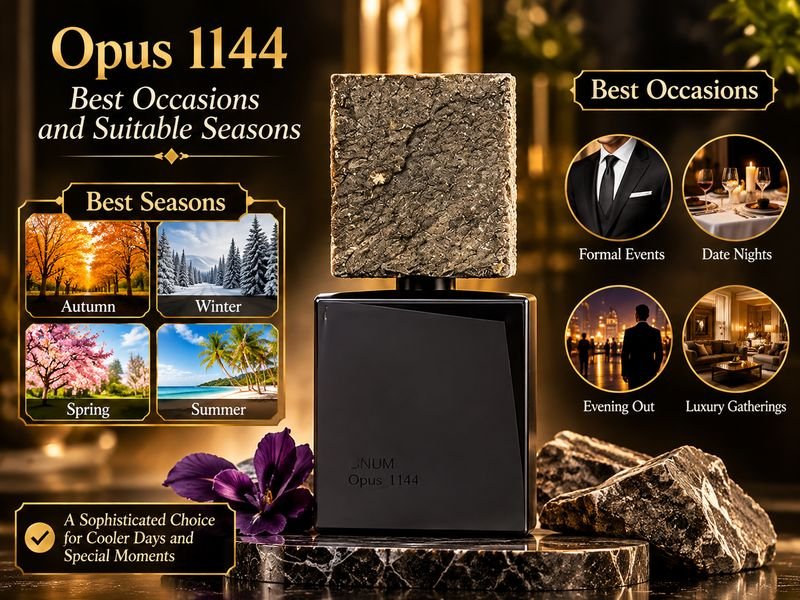
The combination of warm, woody, powdery, and leathery ingredients gives Opus 1144 a character that may work particularly well in certain settings.
Evening Occasions
Its layered fragrance profile may appeal to people looking for something distinctive for evening gatherings and special occasions.
Formal Events
The combination of leather, woods, and powdery florals creates an interesting fragrance style for people who enjoy more sophisticated scent profiles.
Autumn and Winter
The warm ingredients, including vanilla, benzoin, sandalwood, and leather, may feel especially comfortable in cooler weather.
Spring
The citrus elements provide some brightness, making spring another possible option depending on personal preference.
Summer
In hot weather, the richer and warmer aspects may feel more noticeable. People who prefer light fragrances during summer should consider testing it before wearing it regularly.
There is no strict rule about when a perfume must be worn. Personal preference and the amount applied are important considerations.
Who Might Enjoy Opus 1144?
Opus 1144 may be an interesting choice for fragrance enthusiasts who appreciate unusual compositions and artistic concepts.
It may appeal to people who enjoy:
Powdery fragrances: Iris gives the composition a soft powdery dimension.
Woody perfumes: Sandalwood and cashmerwood contribute a smooth woody character.
Leather fragrances: Leather provides a distinctive element that adds depth.
Warm compositions: Vanilla and benzoin create a warmer impression.
Niche perfumery: Its connection with Gothic architecture makes it particularly interesting for people who appreciate fragrances with a creative background.
Unisex perfumes: Its fragrance positioning allows people to choose it according to personal taste rather than traditional gender categories.
However, it may not suit everyone. People who exclusively prefer light, fresh, aquatic, or uncomplicated fruity fragrances may find its overall character too complex for their usual preferences.
Opus 1144 Compared With Similar Fragrances
Comparing fragrances can help explain their different scent directions. However, sharing a few ingredients does not mean two perfumes smell identical.
Opus 1144 vs. LAVS by Filippo Sorcinelli
Both Opus 1144 and LAVS belong to Filippo Sorcinelli’s UNUM collection. They reflect the artistic approach associated with the brand, but their central fragrance concepts are different.
Opus 1144 is connected to Gothic architecture and features a combination of leather, musk, vanilla, sandalwood, and citrus.
LAVS is more closely associated with incense and resinous materials. Its creative background is connected to the atelier and the atmosphere of sacred vestments.
The main difference is their olfactory direction. Opus 1144 emphasizes a leathery, woody, and amber-like composition, while LAVS is more closely associated with incense.
Opus 1144 vs. Cuir Ottoman
Cuir Ottoman by Parfum d’Empire is another fragrance that can provide a useful comparison for people interested in leather-based perfumes.
Both fragrances explore warm and leathery characteristics, but they should not be considered identical.
Opus 1144 combines leather with citrus, iris, orchid, vanilla, musk, and sandalwood. Cuir Ottoman is a useful reference for a more focused exploration of leather in perfumery.
The choice between these fragrances depends on whether someone prefers a broader combination of floral and woody elements or wants to explore another interpretation of leather.
Pros and Cons of Opus 1144
Every fragrance has characteristics that may appeal to some people more than others. Understanding these advantages and possible limitations can help readers make a more informed decision.
Pros
- An interesting concept inspired by Gothic architecture.
- A distinctive combination of citrus, florals, woods, and leather.
- Unisex fragrance positioning.
- A layered composition with several contrasting elements.
- Positive community feedback for longevity.
- An artistic identity within niche perfumery.
Cons
- Its complex composition may not suit every fragrance preference.
- The leathery and resinous elements may not appeal to people who prefer simple fresh scents.
- Individual longevity and sillage can vary.
- Sampling is advisable before purchasing a full bottle.
- Its unusual concept may be less appealing to people who prefer conventional designer fragrances.
Is Opus 1144 Worth Exploring?
Opus 1144 is worth exploring for people who appreciate artistic niche fragrances and compositions that combine different olfactory characteristics.
Its historical inspiration gives it a distinctive identity, while its fragrance structure creates an interesting progression from bright citrus and aromatic materials to powdery florals and a warm, leathery base.
The combination of iris, orchid, cashmerwood, vanilla, benzoin, sandalwood, musk, and leather provides several dimensions for fragrance enthusiasts to explore.
Its unisex positioning also makes it an option for people who prefer choosing perfumes according to their scent preferences rather than traditional fragrance categories.
However, the best fragrance is always a matter of personal taste. A perfume that feels sophisticated to one person may seem too warm, powdery, or complex to another.
Before purchasing a full bottle, trying a sample is a sensible way to understand how the fragrance develops on your skin and whether its overall character suits your preferences.
Frequently Asked Questions About Opus 1144
1. Who created Opus 1144 perfume?
Opus 1144 was created by Italian artist and perfumer Filippo Sorcinelli. It belongs to his UNUM fragrance collection.
2. When was Opus 1144 released?
Opus 1144 was introduced in 2015. Its concept is connected to the historical development of Gothic architecture and the Basilica of Saint-Denis.
3. What are the main fragrance notes of Opus 1144?
Its listed notes include lemon, mandarin, jasmine, elemi, iris, orchid, cashmerwood, benzoin, vanilla, sandalwood, white musk, ambergris, and leather.
4. Is Opus 1144 a unisex fragrance?
Yes. Opus 1144 is presented as a unisex fragrance, making it suitable for anyone who enjoys its particular combination of woody, powdery, floral, and leathery characteristics.
5. Is Opus 1144 suitable for everyday wear?
It can be worn during the day or evening depending on personal preference. However, people who prefer light and simple fragrances may want to test its warmer and more complex character first.
Conclusion
Opus 1144 is a distinctive creation by Filippo Sorcinelli that connects the history of Gothic architecture with the artistic world of niche perfumery. Its combination of citrus, aromatic resin, powdery florals, warm woods, vanilla, musk, and leather creates a layered fragrance identity that stands apart from straightforward fresh or sweet perfumes. With its unisex positioning and concept-driven background, it may appeal to fragrance enthusiasts who appreciate unusual compositions and creative perfume-making. Although its complex character may not suit every preference, Opus 1144 is an interesting fragrance to explore, particularly for those who enjoy woody, powdery, warm, and leathery scent profiles.