
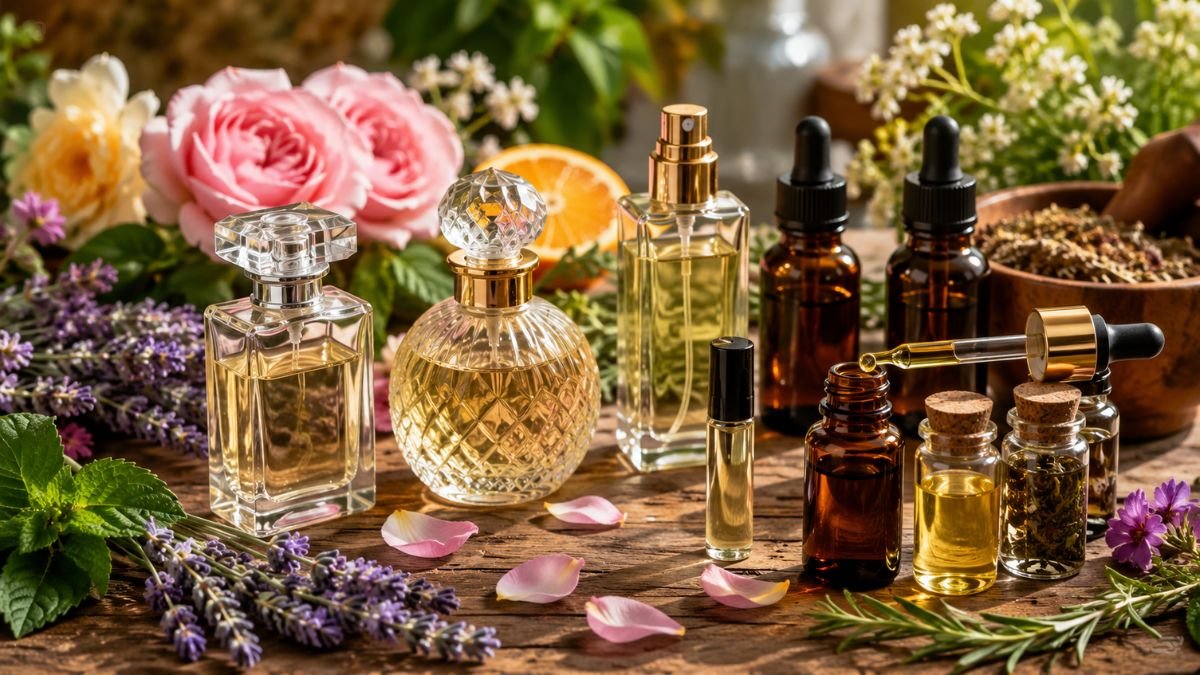
Natural perfumes have gained significant popularity in recent years as more people look for healthier, eco-friendly alternatives to conventional fragrances. Made with natural ingredients like essential oils, botanical extracts, and carrier oils, these perfumes provide a clean and personalized scent without relying heavily on synthetic chemicals. Besides offering a unique fragrance experience, natural perfumes allow you to know exactly what ingredients are being applied to your skin, making them a preferred choice for many fragrance enthusiasts.How to Make Natural Perfume
Learning how to make natural perfume at home is a fun and creative way to design a fragrance that perfectly matches your personality and preferences. Whether you’re interested in reducing exposure to artificial ingredients, saving money, or exploring a rewarding DIY hobby, homemade perfume gives you complete control over every blend. In this guide, you’ll discover the essential ingredients, perfume notes, blending techniques, and simple steps needed to create beautiful, long-lasting natural perfumes with confidence.How to Make Natural Perfume
What Is Natural Perfume?
Natural perfume is a fragrance made using ingredients that come directly from plants and other natural sources. Instead of synthetic fragrance compounds, these perfumes rely on essential oils, botanical extracts, floral waters, natural resins, and carrier oils to create unique scents. How to Make Natural PerfumeUnlike many commercial perfumes, natural fragrances evolve over time. The scent changes gradually as different fragrance notes develop on your skin, creating a more dynamic and personal experience.
Because every essential oil has its own unique aroma, no two handmade perfumes smell exactly the same. This makes DIY perfume making an excellent choice for anyone looking for a truly original fragrance.
Common Ingredients Used in Natural Perfume
Most homemade natural perfume recipes include a combination of the following ingredients:
- Pure essential oils
- Carrier oils
- Botanical extracts
- Natural waxes (for solid perfumes)
- Cosmetic-grade grain alcohol (optional)
- Distilled water
- Vegetable glycerin
- Vitamin E oil
Each ingredient has a specific purpose. Essential oils provide fragrance, carrier oils safely dilute the blend, while other ingredients help improve texture, stability, or longevity. How to Make Natural Perfume
Why More People Are Choosing Natural Perfumes
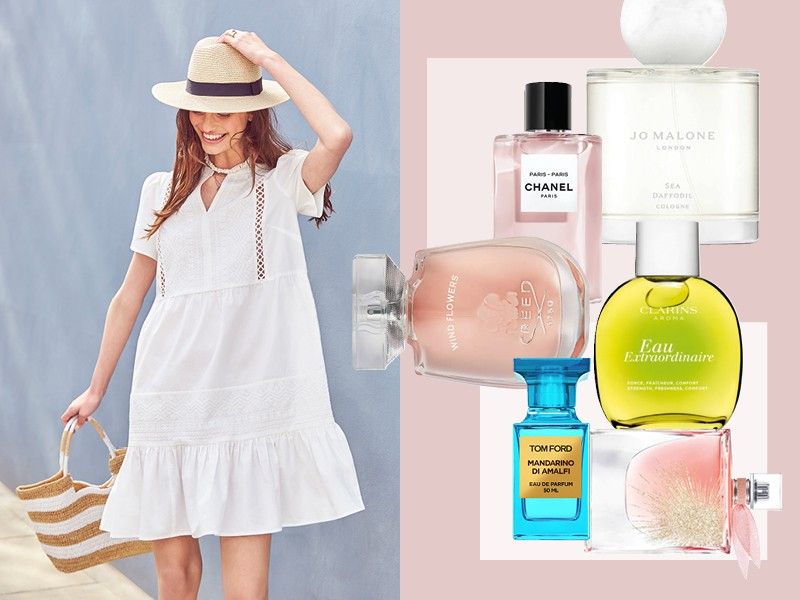
Over the past few years, interest in natural beauty products has grown rapidly. As consumers become more aware of what goes into everyday skincare and fragrance products, natural perfumes have become a preferred option for many fragrance lovers. How to Make Natural Perfume
People enjoy natural perfumes for several reasons.
- They contain plant-based ingredients.
- They can be customized to match individual preferences.
- They support a more eco-conscious lifestyle.
- They reduce reliance on synthetic fragrance chemicals.
- They allow complete control over every ingredient.
Although natural perfumes usually have a softer projection than synthetic fragrances, many people appreciate their authentic scent and the way they gently develop throughout the day. How to Make Natural Perfume
Natural Perfume vs. Conventional Perfume
Both natural and commercial perfumes have their own advantages, but they differ in several important ways.
| Natural Perfume | Conventional Perfume |
| Made primarily from botanical ingredients | Often contains synthetic fragrance compounds |
| Fully customizable | Fixed commercial formula |
| Eco-friendly ingredients | May include artificial additives |
| Ideal for DIY projects | Manufactured on a large scale |
| Fragrance changes naturally over time | Scent remains more consistent |
If you enjoy experimenting with fragrances and prefer more control over ingredients, making your own perfume can be an excellent alternative to buying commercial products. How to Make Natural Perfume
Ingredients You Need to Make Natural Perfume
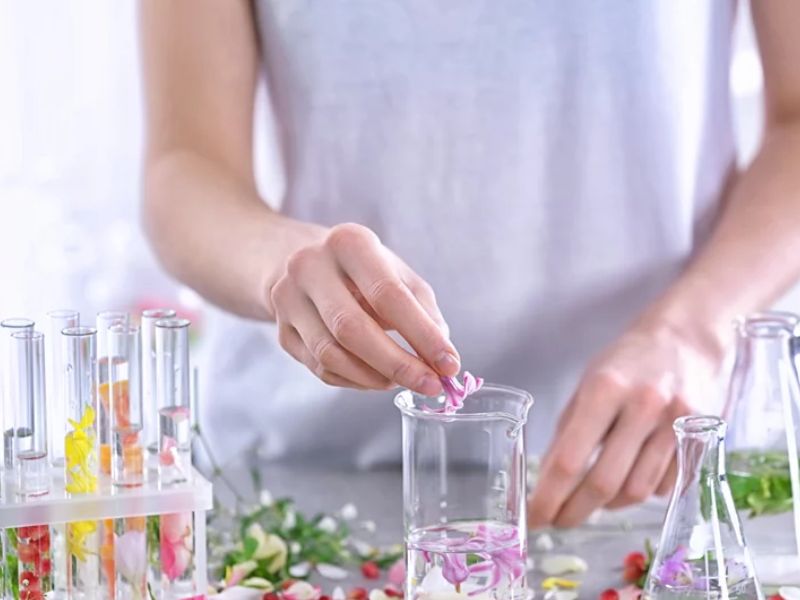
The quality of your perfume depends largely on the ingredients you choose. Every ingredient has a specific purpose, whether it’s adding fragrance, improving longevity, or making the perfume safe to apply on your skin. How to Make Natural Perfume
Using premium-quality ingredients will help you create a fragrance that smells cleaner, lasts longer, and feels more luxurious. How to Make Natural Perfume
1. Essential Oils
Essential oils are the heart of every natural perfume. They provide the fragrance and define the personality of your scent.
Each oil has its own unique aroma, making it possible to create endless fragrance combinations.
Some of the most popular essential oils include:
- Lavender
- Rose
- Jasmine
- Bergamot
- Lemon
- Sweet Orange
- Sandalwood
- Cedarwood
- Patchouli
- Vanilla
- Peppermint
- Ylang-Ylang
Instead of relying on just one oil, combine different fragrance notes to create a balanced and long-lasting perfume. How to Make Natural Perfume
2. Carrier Oils
Essential oils are highly concentrated, so they should always be diluted before applying them to the skin.
Carrier oils not only make your perfume skin-safe but also help slow down evaporation, allowing the fragrance to last longer. How to Make Natural Perfume
Popular carrier oils include:
Jojoba Oil
One of the best choices for DIY perfume because it closely resembles the skin’s natural oils. It’s lightweight, stable, and has a long shelf life.
Fractionated Coconut Oil
Odorless, non-greasy, and fast-absorbing, making it perfect for roll-on perfumes.
Sweet Almond Oil
A nourishing oil with a smooth texture that’s ideal for dry or normal skin.
Grapeseed Oil
A light carrier oil that absorbs quickly and works especially well for oily skin types.
3. Natural Wax
If you’re planning to make a solid perfume instead of a liquid one, natural wax is essential.
Beeswax is the most common option because it creates a smooth, firm texture while helping lock in the fragrance. How to Make Natural Perfume
For a vegan alternative, you can use candelilla wax or other plant-based waxes.
4. Cosmetic-Grade Alcohol
Alcohol is optional but highly recommended if you want to make a spray perfume.
It blends the essential oils evenly, helps the fragrance project better, and gives your perfume a lighter feel.
Always choose cosmetic-grade or high-proof grain alcohol designed for fragrance making.
5. Distilled Water
Some spray perfume recipes include a small amount of distilled water after blending with alcohol.
Using distilled water instead of tap water helps keep your perfume free from impurities and extends its shelf life. How to Make Natural Perfume
6. Vegetable Glycerin
Vegetable glycerin is often added in small quantities to improve the texture of the perfume and slightly increase scent retention. How to Make Natural Perfume
Only a few drops are needed, as too much glycerin can make the perfume feel sticky.
7. Vitamin E Oil
Vitamin E acts as a natural antioxidant.
Adding a few drops can help slow the oxidation of carrier oils, keeping your perfume fresh for a longer period. How to Make Natural Perfume
8. Glass Perfume Bottles
Always store your homemade perfume in glass bottles instead of plastic.
Glass preserves the fragrance better and doesn’t react with essential oils.
Amber and cobalt blue bottles are especially popular because they protect the perfume from sunlight, helping maintain its quality over time.
9. Droppers and Pipettes
Accurate measurements are important when blending fragrances.
A dropper or pipette allows you to add essential oils with precision, making it easier to recreate your favorite perfume recipes in the future. How to Make Natural Perfume
Best Essential Oils for Homemade Perfume
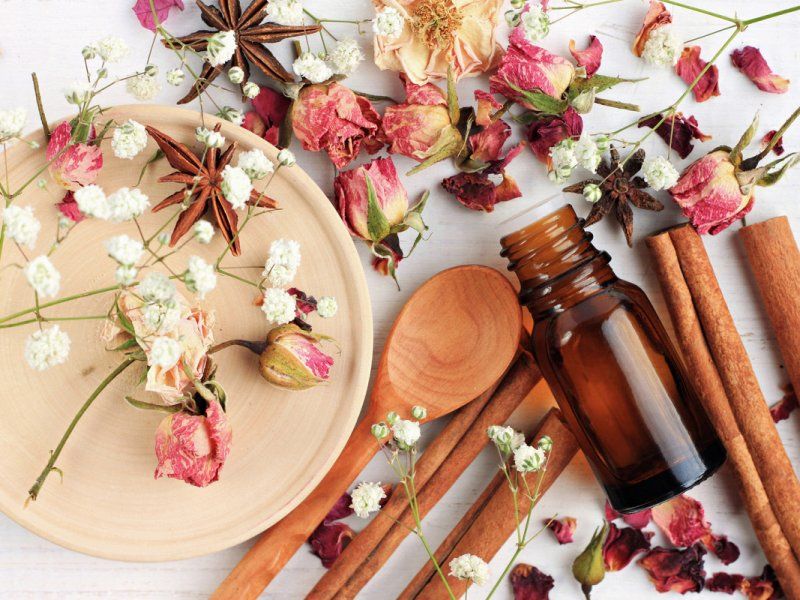
Choosing the right essential oils is one of the most exciting parts of perfume making.
Each oil belongs to a fragrance family and plays a different role within the perfume.
Floral Oils
Perfect for elegant and romantic fragrances.
Popular choices include:
- Rose
- Jasmine
- Lavender
- Ylang-Ylang
These oils usually form the heart of the perfume.
Citrus Oils
Citrus oils create a fresh and uplifting opening.
Popular options include:
- Bergamot
- Lemon
- Sweet Orange
- Grapefruit
Since citrus oils evaporate quickly, they’re usually used as top notes.
Woody Oils
Woody oils add richness and improve longevity.
Excellent choices include:
- Sandalwood
- Cedarwood
- Patchouli
These oils often become the base of the perfume and remain noticeable long after the lighter notes disappear.
Sweet & Gourmand Oils
If you enjoy warm, comforting fragrances, gourmand oils are a great choice.
Popular examples include:
- Vanilla
- Benzoin
- Tonka-inspired natural blends
These oils add sweetness and depth to the fragrance.
Understanding Perfume Notes
Professional perfumes are built using three layers of fragrance known as perfume notes.
Understanding these layers helps you create a scent that develops beautifully throughout the day.
Top Notes
Top notes are the first scents you notice immediately after applying the perfume.
Common examples:
- Bergamot
- Lemon
- Orange
- Grapefruit
These scents are light, refreshing, and usually fade within the first 30 minutes.
Middle Notes
Middle notes, often called the heart notes, appear after the top notes begin to fade.
Popular middle notes include:
- Lavender
- Rose
- Jasmine
- Geranium
These ingredients give the perfume its main personality.
Base Notes
Base notes are the foundation of every perfume.
They last the longest and provide depth and warmth.
Common base notes include:
- Sandalwood
- Patchouli
- Vanilla
- Cedarwood
A good base note can remain noticeable for several hours.
Best Carrier Oils for Natural Perfume
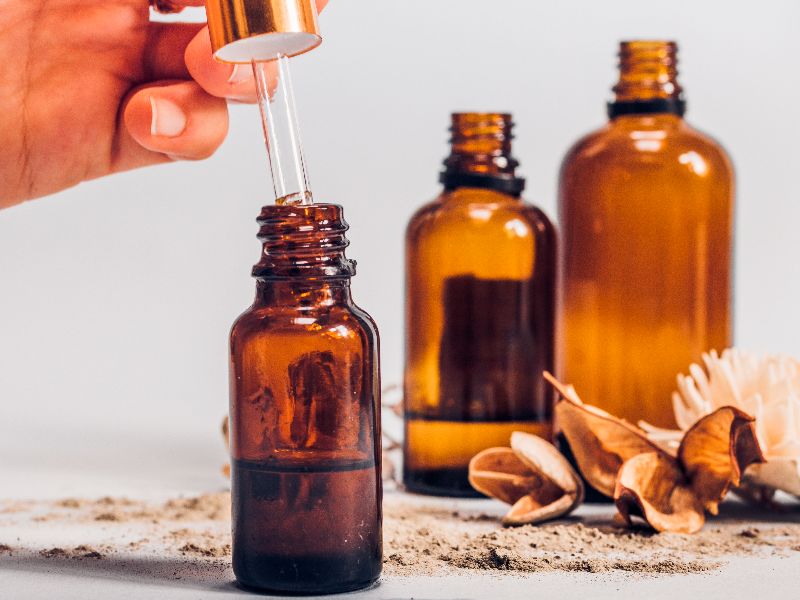
Choosing the right carrier oil is just as important as selecting quality essential oils. Carrier oils dilute concentrated essential oils, making them safe for direct skin application while also helping the fragrance last longer. How to Make Natural Perfume
Each carrier oil has its own texture, absorption rate, and benefits, so you can choose one based on your skin type and the style of perfume you want to create.
| Carrier Oil | Texture | Absorption | Best For |
| Jojoba Oil | Lightweight | Fast | All skin types |
| Fractionated Coconut Oil | Very Light | Fast | Roll-on perfumes |
| Sweet Almond Oil | Smooth | Medium | Dry and normal skin |
| Grapeseed Oil | Thin | Fast | Oily skin |
| Apricot Kernel Oil | Soft | Medium | Sensitive skin |
Among these, jojoba oil is often considered the best choice because it has little natural scent, stays fresh for a long time, and blends beautifully with essential oils.
Common Mistakes to Avoid When Making Natural Perfume
Even experienced DIY perfume makers make mistakes from time to time. Avoiding these common errors will help you create a more balanced and longer-lasting fragrance. How to Make Natural Perfume
Using Too Many Essential Oils
Adding too many different oils can create a confusing scent instead of a pleasant one.
Beginners should start with three to five essential oils and gradually experiment with more complex blends. How to Make Natural Perfume
Ignoring Fragrance Balance
A well-made perfume should include top, middle, and base notes.
Skipping one of these layers often results in a fragrance that either fades too quickly or smells incomplete.
Choosing Low-Quality Ingredients
The quality of your perfume depends directly on the quality of your ingredients.
Always purchase pure essential oils from trusted suppliers to achieve a cleaner and more refined scent.
Skipping the Patch Test
Natural ingredients can still cause irritation for some people.
Before applying a new perfume regularly, test a small amount on your wrist or inner arm and wait 24 hours to check for any reaction. How to Make Natural Perfume
Not Allowing the Perfume to Age
Freshly blended perfumes rarely smell their best.
Allowing your perfume to mature for 2 to 4 weeks gives the ingredients enough time to blend naturally, creating a smoother and more harmonious fragrance. How to Make Natural Perfume
Poor Storage Practices
Heat, sunlight, and air exposure can reduce the quality of your perfume.
Always store your fragrance in a tightly sealed glass bottle and keep it in a cool, dark place.
How Long Does Homemade Natural Perfume Last?
The lifespan of a natural perfume depends on the ingredients used and how it is stored.
Generally:
- Oil-based perfumes stay fresh for 6–12 months.
- Alcohol-based perfumes can last 1–2 years when stored correctly.
On the skin, most natural perfumes remain noticeable for 3 to 6 hours.
Fragrances containing rich base notes like sandalwood, vanilla, cedarwood, and patchouli often last longer than citrus-based blends. How to Make Natural Perfume
Tips to Make Natural Perfume Last Longer
Although natural perfumes don’t usually last as long as synthetic fragrances, there are several ways to improve their performance.
- Apply perfume to moisturized skin.
- Focus on pulse points such as the wrists and neck.
- Include long-lasting base notes like sandalwood or patchouli.
- Store your perfume away from sunlight and heat.
- Let the perfume mature before using it.
- Avoid rubbing your wrists together after application, as this can reduce the fragrance’s longevity.
These simple habits can significantly improve both projection and wear time.
Proper Storage for Homemade Perfume
Correct storage helps preserve both the scent and the quality of your handmade perfume.
Follow these recommendations:
- Store bottles in a cool, dry location.
- Keep them away from direct sunlight.
- Use amber or cobalt blue glass bottles for extra protection.
- Close the bottle tightly after each use.
- Label every bottle with the creation date and fragrance name.
- Avoid storing perfume in humid places like bathrooms.
Proper storage can extend the life of your perfume and keep the fragrance smelling fresh for months.
Natural Perfume vs. Synthetic Perfume
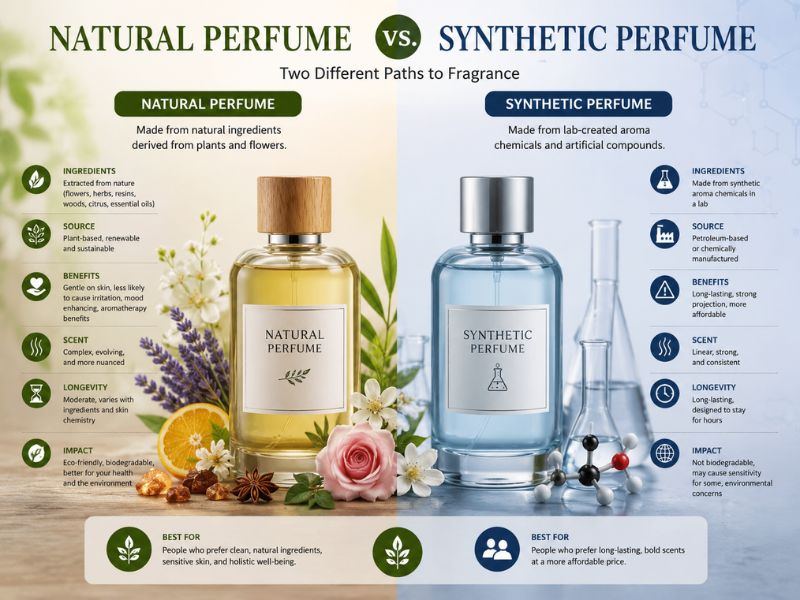
Both natural and synthetic perfumes have their own advantages.
Natural perfumes are made mainly from botanical ingredients, while synthetic perfumes often combine natural extracts with laboratory-created aroma compounds. How to Make Natural Perfume
| Feature | Natural Perfume | Synthetic Perfume |
| Ingredients | Plant-based | Natural + Synthetic |
| Customization | High | Limited |
| Eco-Friendly | Usually Yes | Depends on the Brand |
| Fragrance Development | Evolves Naturally | More Consistent |
| Longevity | Moderate | Usually Longer |
| DIY Friendly | Yes | No |
If you enjoy experimenting with fragrances and appreciate plant-based ingredients, natural perfume offers a creative and rewarding alternative.
Frequently Asked Questions (FAQs)
1. What is the best carrier oil for natural perfume?
Answer: Jojoba oil is the best carrier oil because it’s lightweight, long-lasting, and gentle on most skin types.
2. How long does homemade natural perfume last?
Answer: A properly stored homemade natural perfume typically lasts between 6 and 12 months.
3. Can I make natural perfume without alcohol?
Answer: Yes, you can make an alcohol-free perfume by using carrier oils like jojoba or fractionated coconut oil.
4. Which essential oils are best for beginners?
Answer: Lavender, bergamot, sandalwood, rose, and sweet orange are excellent essential oils for beginners.
5. Is natural perfume better than synthetic perfume?
Answer: Natural perfume offers plant-based ingredients and customizable scents, while synthetic perfume usually provides longer-lasting fragrance.
Conclusion
Making your own natural perfume is a simple and enjoyable way to create a fragrance that’s unique, eco-friendly, and tailored to your personal style. By choosing high-quality essential oils, balancing fragrance notes correctly, and allowing your blend to mature, you can craft a beautiful perfume that smells luxurious and feels truly personal. Whether you’re creating it for everyday use, as a thoughtful gift, or to start your own perfume brand, natural perfumery is a creative skill that’s both rewarding and practical.